Zambia
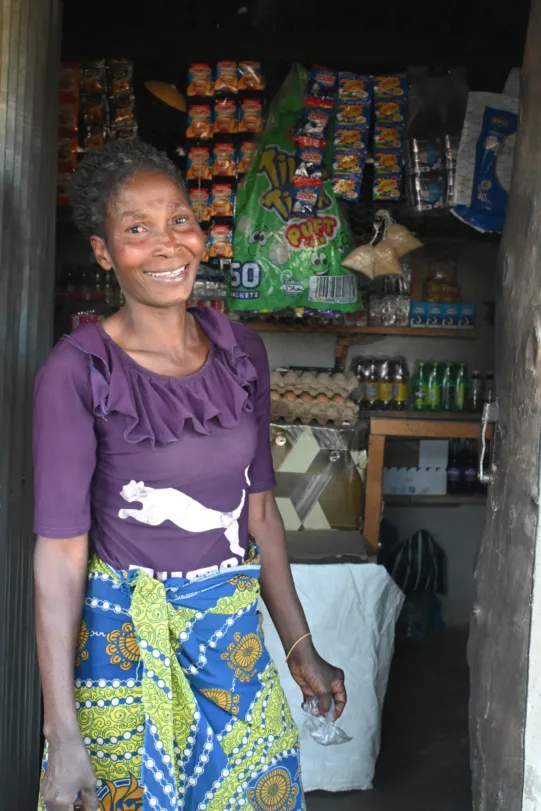
Poverty prevents education. We empower parents in Zambia so that their children and young people can go to school. This is how we create prospects for the next generation.
Poverty prevents education. We empower parents in Zambia so that their children and young people can go to school. This is how we create prospects for the next generation.

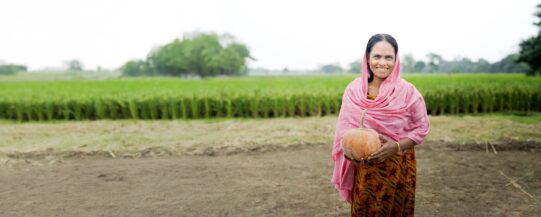
Zambia is still suffering from the consequences of the HIV/AIDS pandemic. Almost half of the approximately 21 million inhabitants live in poverty. Climate change is already having devastating consequences in Zambia: Long dry seasons combined with shorter and heavier rainfall threaten the livelihoods of rural farming families. And there are many of them: Around 60% of people live in rural areas and rely on what their land yields. The economy has also deteriorated in recent years; income is falling and prices are rising.
Many children and young people have lost one or both parents due to illness (often HIV/Aids). As a result, they grow up with relatives or take on responsibility for the family and younger siblings themselves. They often have hardly any money for the most necessary expenses. Although schooling is free, the school uniform, school materials and examination fees are too expensive for them or their foster family. They are at risk of remaining trapped in poverty.
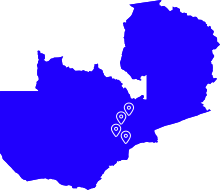
We help families in difficult circumstances to build a stable existence. This enables children and young people to go to school, learn a trade and build a self-determined life. We are convinced that education lays the foundation for a life full of prospects.
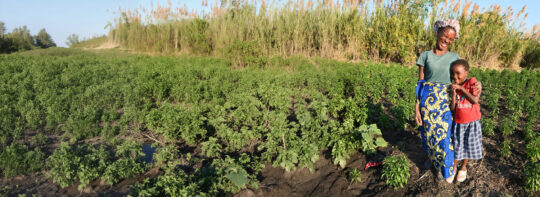
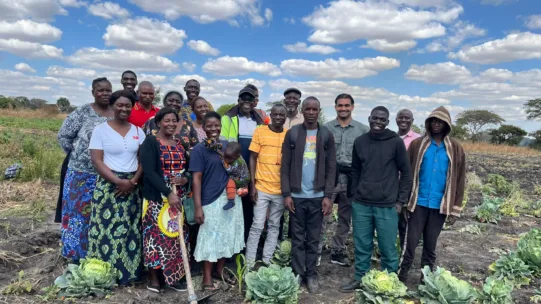
The (foster) families learn how they can build up a successful business or generate a higher income through farming. The aim is to enable them to pay for their children's and young people's school fees themselves. They also become members of savings and lending groups. These consist of a maximum of 25 people who meet regularly to save together and grant each other mini-loans. Here they are also trained in financial literacy and entrepreneurship.
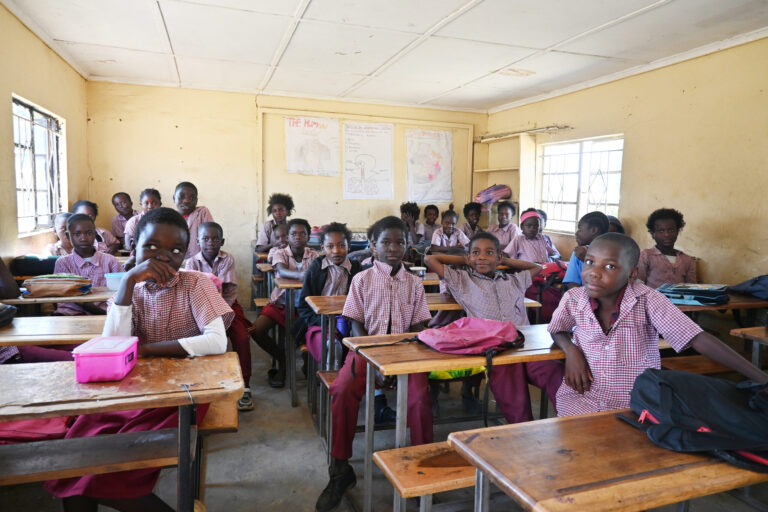
Children and young people in primary and secondary school receive school materials, uniforms and school fees so that they can go to school at all. They also receive sex education and learn important life skills. Volunteers visit the children regularly and provide psychosocial support.
Young people complete vocational training - for example as tailors or motorcycle mechanics). As there are very few jobs in Zambia, they receive start-up capital after their training so that they can set up their own business.
Although schools in Zambia are free, school uniforms and materials often become insurmountable obstacles. This is because only those who can afford the necessary school materials are actually allowed to go to school.
This crucial start into adulthood provides real possibilities for genuine prospects. It allows young adults to build independent lives and break free from the cycle of poverty.
Thanks to their new skills in business management and farming, the (foster) parents earn an income that secures their livelihood. Their membership of savings and lending groups also helps them to do this.

Your donation to our projects in Zambia

The most established donation seal of approval in Switzerland guarantees that the use of donations at ena is transparent and effective.
The ISO 9001:2015 certification attests that our aid organization complies with quality and organizational standards and is constantly developing these further.
The CHS Alliance sets global standards for humanitarian aid and development cooperation and monitors compliance with these standards. ena's CHS certification confirms the quality and accountability of our work.
Our long-standing cooperation with the Swiss Agency for Development and Cooperation (SDC) as part of the umbrella organization KoGe ensures that we are a professional partner.

As a relief organization, we provide life-changing opportunities worldwide through effective, straightforward assistance. We are committed to both short- and medium-term emergency aid, as well as long-term development cooperation. Based on mutual respect and an understanding of local needs, we focus primarily on livelihoods, education, health, and peace. The responsible and impactful use of entrusted donations is confirmed by the ZEWO quality seal and our commitment to the standards of the CHS Alliance.