
Women only - admission for women only
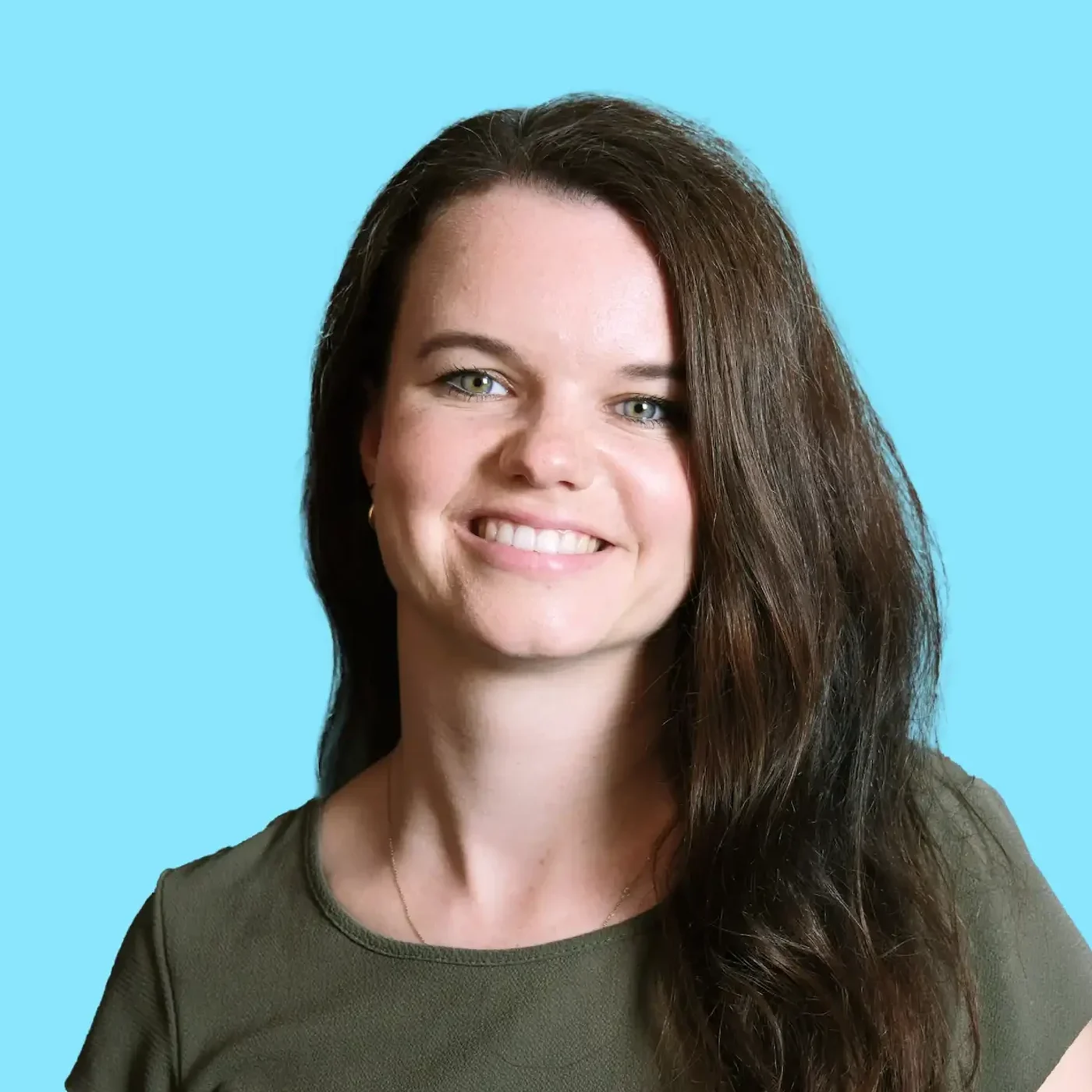
Five young Bangladeshi women shared a dream: to become financially independent with their own sustainable business. In this report, we call them Sharmin, Salma, Nasrin, Rima and Amena. Had they been born in another country, perhaps even in another region of their country, their dream would have been neither unusual nor impossible. In their culture, however, it was like climbing a mountain - equipped with flip-flops and a silk dress.
Patient learning and staying power
Sharmin, Salma, Nasrin, Rima and Amena all went to school, but not all of them finished. Sharima, for example, had to interrupt her education because she had to look after her family. She and her future colleagues were threatened with a life without independent prospects. Independently of each other - the young women did not know each other at the time - they heard about the possibility of attending a sewing course in their women's group. The young women caught fire and were selected to attend the sewing course. During the eight-day course, the girls learned a valuable introduction to tailoring. Back home - the course took place outside their village - the girls began to practise what they had learned with many hours of sewing and produced their first items of clothing.
Convincing the family
After more than a year of lonely sewing work, the desire to start her own sewing business grew. However, their parents and the community were strictly opposed to the idea, as it was common practice in the region for women to earn no income and look after the household exclusively. Outside help was needed and so the sewing enthusiasts turned to SATHEE, ena's local partner organization, with their request. SATHEE employees then visited the girls' parents and were able to convince them that this business was a sensible and profitable idea.

The decisive jump start
SATHEE further secured the young entrepreneurs and concluded a contract with them that enables them to continue to drive their business forward after the launch, even without the support of the partner organization. As part of this agreement, the new company received four sewing machines on loan. The next step for Sharmin, Salma, Nasrin, Rima and Amena was to draw up a business plan with a shared start-up capital of 40,000 taka (equivalent to just under CHF 300). With this basis and as a registered company, they received the official trading license from the government. Nothing stood in the way of their big dream - financial independence. In any case, almost nothing.
The great disillusionment
Although the company was ready to go on paper, the challenges were not long in coming. The business group was not accepted by the community and religious leaders: The business was located near a male-dominated market and as "decent girls" they should not be concerned with making money. "It brings shame on the family," was the general opinion. But the female entrepreneurs did not let themselves be beaten down so easily.

Convincing arguments
Sharmin and her colleagues had many discussions. In their discussions with the religious leaders, they explained emphatically how their business and the income generated from it would also benefit their families. This income could prevent their own families from having to live in poverty.
"Women only"
The persuasion work bore fruit and the religious leaders gave the business the green light. However, only under two conditions: The businesswomen would have to wear a hijab or burqa and the store could only be run and visited by women. A "Women only" sign now hangs at the entrance to the tailor store. Curtains protect the store from unwanted (male) glances.

From the edition to the advantage
What was meant to be a constraint turned out to be a great advantage for the company: Customers are happy that they can buy their clothes in the only female tailoring shop in the area and feel comfortable and understood in the women-only business. Most of the other stores are run by men. The business is successful and there are many orders. Sharima is happy: "We can now support our family. My father died when I was young. My family had to struggle to make ends meet. Now I have my own money."


