Off to Peru: Shaping the Future Through Education and Inclusion
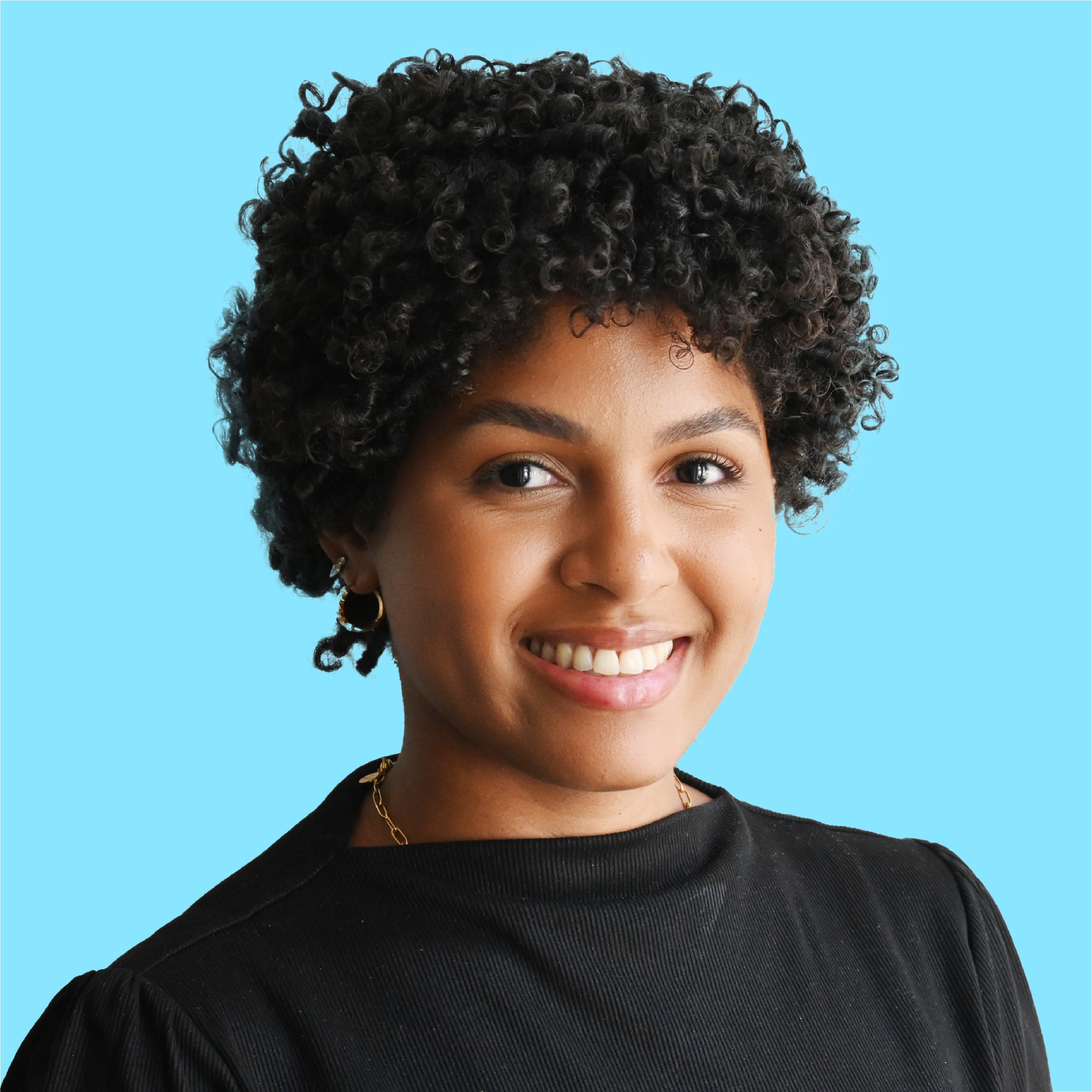
Impressed by the openness of the people and the living conditions in various regions, Vera Schaffer shares her impressions in this article. Find out now how education creates opportunities and fosters inclusion.
Lasting impressions – A short interview
What did your interactions with the project participants mean to you personally?
Vera Schaffer: It was a very moving and enriching experience for me. I was particularly struck by the people’s great warmth, kindness, and hospitality. Despite often difficult living conditions, many radiated a remarkable positivity and a clear sense of looking forward. I sensed a deep mutual respect between the project participants and the implementing partners, which really impressed me. The open, trusting team atmosphere, especially at Paz y Esperanza, showed me how important solidarity and shared commitment are for successful project work.
What was particularly impressive was the great warmth, kindness, and hospitality of the people. (Vera Schaffer)
What new insights or experiences did you gain from your trip?
Vera Schaffer: The trip really brought home to me the vast differences within Peru: between the economically more developed coastal region and the highlands and the Amazon region. These contrasts have deepened my understanding of the different realities of life. At the same time, I saw firsthand how professionally and dedicatedly the local partners work. The combination of beautiful, relaxed moments—such as enjoying music and spending time together—and highly structured, professional training sessions was particularly valuable to me. At Renacer, I was also deeply impressed by how continuously they seek solutions and new opportunities to innovatively advance their projects.
The combination of pleasant, relaxing moments—such as listening to music and spending time together—and highly structured, professional development and training sessions was particularly valuable to me. (Vera Schaffer)
What experience do you remember most fondly—and why?
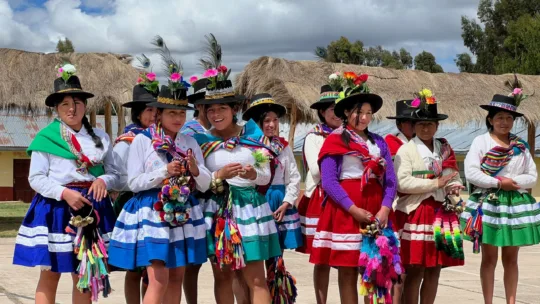
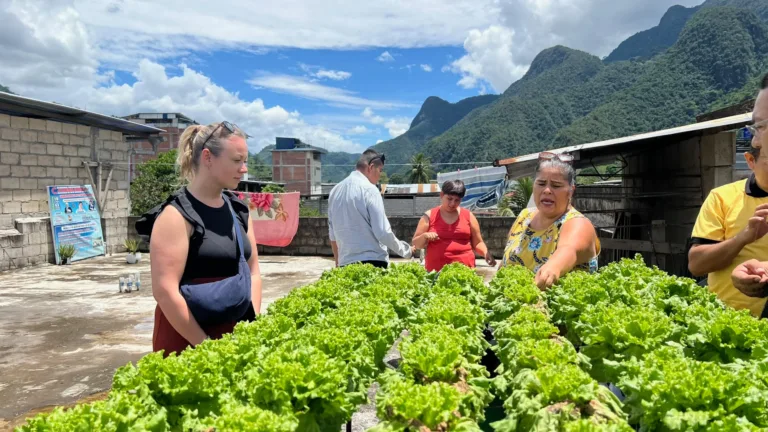
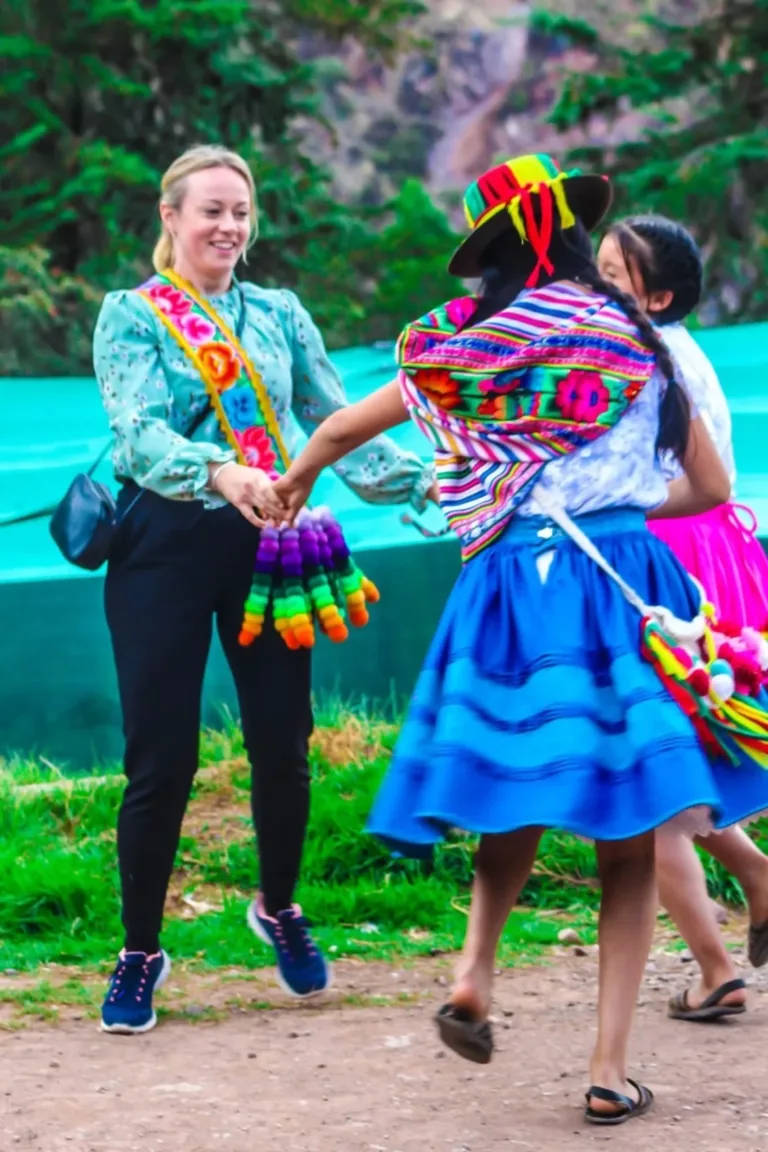
During a visit to the vocational training center/CETPRO in Andarapa we were warmly welcomed with a beautiful dance . . The tour began in an open and warm atmosphere. It was particularly interesting to see how diverse the training opportunities are, even in such a limited space: hairdressing, cooking and pastry making, as well as a small carpentry shop. The trades offered are tailored to the region’s needs and provide real opportunities for people of all ages. We also ran into some of the students we had met that morning at the secondary school. Paz y Esperanza’s goal of creating a dual education system is clearly having an impact here. The participants’ motivation was palpable, and their smiles were contagious. I’m already looking forward to seeing how the project unfolds.
The participants' enthusiasm was palpable, and their smiles were contagious. (Vera Schaffer)
Learning as the Key – Insights into Educational Initiatives
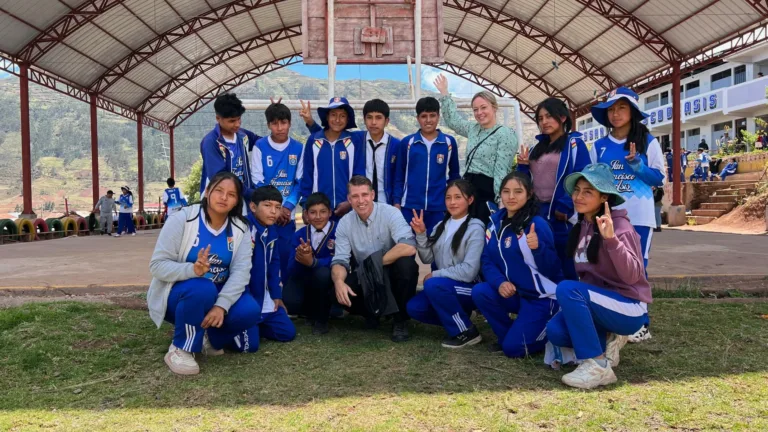
Education is much more than just classroom instruction. It means empowering young people and taking their commitment seriously. At Andarapa High School, that is exactly what we focus on. Here, our local partner, Paz y Esperanza (PyE), equips young people with skills that extend far beyond the daily school routine—communication, leadership, and participation.
One of the participants is Mariella. Every morning, she walks for an hour to get to school. The walk is long, but Mariella makes the journey with a goal in mind: she wants to learn, grow, and make a difference. As a member of the student council, she works to ensure that her classmates’ concerns are heard—whether regarding recreational activities, school sports, or cultural events.
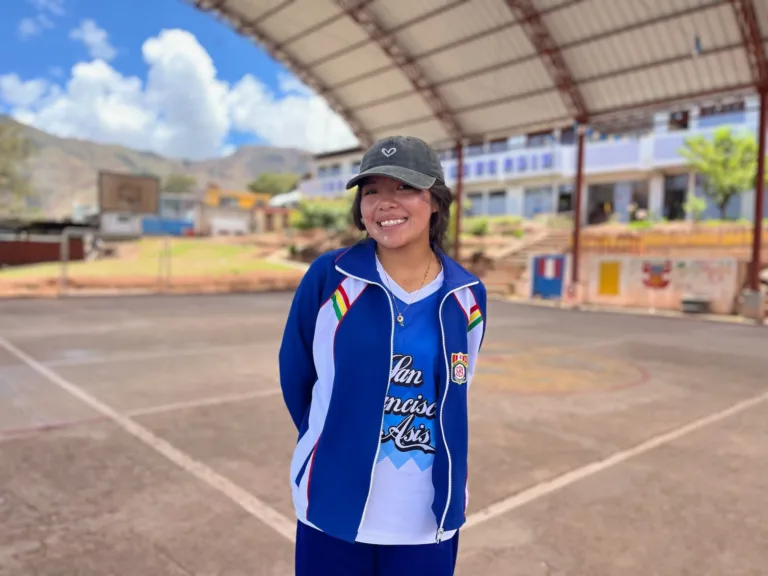
“People used to be pretty quiet,” Mariella says. “Now we’re more confident, we share our ideas, and we help each other.” The PyE training sessions have helped build this self-confidence. One of the projects—the shared school garden—has been particularly effective in strengthening team spirit and has taught practical skills related to nutrition and teamwork.
Now we're more confident, we share our ideas, and we help each other. (Mariella)
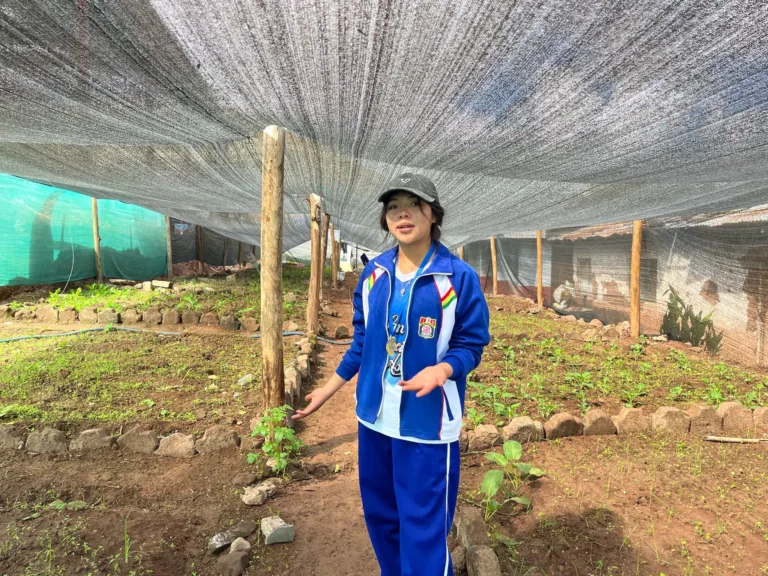
Mariella's dedication shows what is possible when young people are empowered to voice their opinions and take on responsibility. Change happens through education, trust, and support.
Living Inclusion – Encounters That Make a Difference
The field of inclusion also clearly demonstrates how much a targeted support program can achieve. In Luyando and Tingo Maria, people with disabilities are learning vocational skills—thereby strengthening their independence.
Particularly moving is the story of José, who is accompanying his daughter Harumi. She has been living in Luyando since 2025 to complete a training program with our partner organization, Renacer. Due to her psychomotor impairment and epilepsy, she needed a supportive environment. The move was a big step for the family. However, it is now clear just how worthwhile the effort has been: Harumi has become more self-confident, communicates more openly, and is discovering the joy of her creativity.
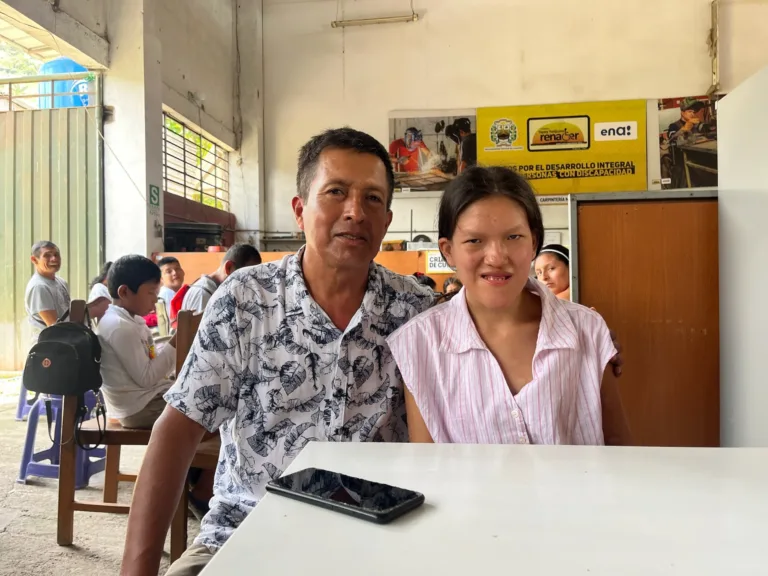
She makes small handicrafts, bowls, and knitted items that she can sell. For her father, this is a huge step forward. “She’s growing, learning, and every day I see how strong she is,” he says with a smile. “It fills me with joy to see her showcase her skills and create something on her own. It gives me hope for the future. Now I know we made the right decision.”
Supporting people and creating conditions in which they can develop their strengths—that is inclusion. In Luyando, José sees how hope, patience, and support can change everything.
It fills me with joy to see her showcase her abilities and accomplish things on her own. It gives me hope for the future. (José)
Conclusion
Development cooperation makes a tangible difference through partnership, trust, and ongoing support. Vera Schaffer returned from her project trip with many impressions and clear insights, and one thing is certain: education and inclusion go hand in hand, and both can only succeed if people are able to actively shape the process—in schools, in training centers, and in everyday life.